



Basket
{{item.CourseTitle}}
Price: {{item.ItemPriceExVatFormatted}} {{item.Currency}}
Browse by Topic
Browse by Vendor

Unlimited Training
Attend all the top-notch LIVE Instructor-led Courses you want for the price of less than one course.

The UK is facing a persistent and growing wave of cybercrime, creating an urgent demand for skilled security professionals. The cyber security market is projected to expand significantly, with estimates suggesting a 14.1% compound annual growth rate globally between 2022 and 2027 from its USD 132.94 billion valuation. In response, UK-based organisations are actively recruiting ethical hackers to test their defences and stay ahead of malicious actors.
These experts, often called 'White Hat Hackers', use the same tools and techniques as attackers but with explicit permission. Their goal is to identify and expose security weaknesses before they can be exploited. By lawfully probing systems, they uncover vulnerabilities related to data exposure, injection attacks, and misconfigurations, allowing the organisation to fortify its digital infrastructure. This makes a career in ethical hacking both a rewarding and increasingly vital choice.
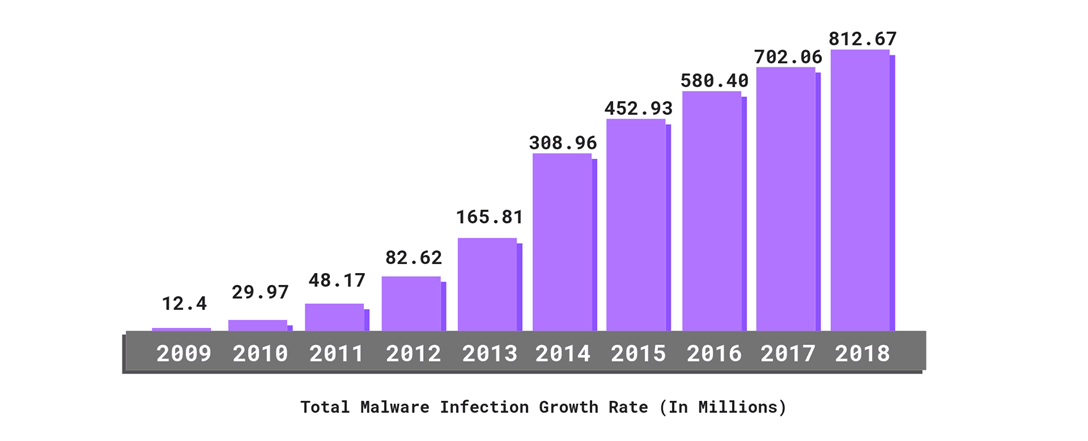
For those looking to formalise their skills, the Certified Ethical Hacker (CEH) certification from the EC-Council stands as a global benchmark. This qualification signals to employers that a professional possesses the validated knowledge to undertake sophisticated security testing. This guide provides a strategic overview of the CEH, outlining who it's for, the skills required, the certification process, and the career prospects for certified professionals in the UK.
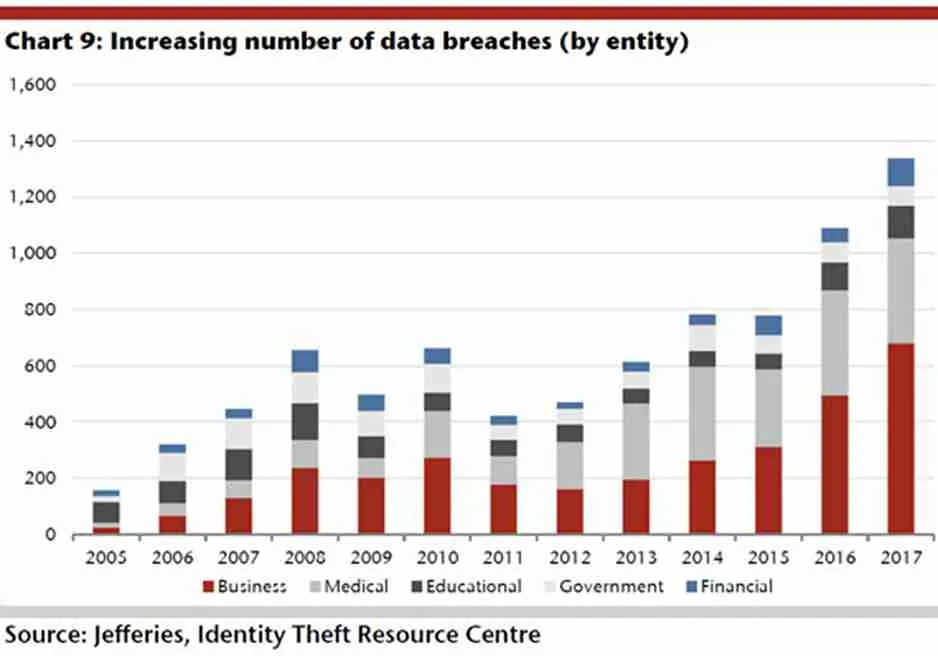
The CEH is not a beginner's certificate, but rather a career-defining credential for IT professionals aiming to specialise in cyber security. It opens pathways to high-value roles and is mandated by many UK employers for security-focused positions. If you are in one of the following roles, the CEH could be your logical next step:
Ethical hackers are in demand across various sectors in the UK, from the major technology firms like Google, IBM, and Accenture to financial institutions, retail giants, and government bodies. Beyond traditional employment, a CEH can also be the foundation for starting a successful independent security consultancy.
Success in ethical hacking requires a blend of deep technical knowledge and specific personal attributes. A commitment to continuous learning is paramount in this fast-evolving field. On top of this, aspiring professionals must cultivate a specific set of skills.
Technical Foundations:
Essential Soft Skills:
Earning the CEH credential involves meeting eligibility criteria, passing rigorous exams, and understanding the associated costs. The EC-Council has structured the process to ensure its status as a premier certification is maintained.
To sit for the CEH exam, candidates must follow one of two paths. The first is completing an official EC-Council training programme. The second option is to apply based on work experience, which requires documenting at least two years in the Information Security domain. The minimum age for both training and examination is 18 in the UK. While a bachelor's degree in a related field is highly recommended, the core requirement remains either official training or proven experience.
The certification is awarded after passing a two-part examination. The first part is the CEH exam (code 312-50), a four-hour, open-book test with 125 multiple-choice questions designed to assess theoretical knowledge. The second, more demanding part is the CEH Practical exam. This is a six-hour, hands-on test where candidates must demonstrate their skills in a simulated lab environment, successfully navigating 20 real-world scenarios covering topics from vulnerability analysis to SQL injection.
Passing scores are dynamic and adjusted based on the difficulty of each unique exam form, typically ranging from 60% to 85%.
Becoming a CEH involves several costs. The exam voucher itself is $1,199, and there is a non-refundable application fee of $100. Should you choose to take the exam remotely, an additional proctoring fee of $100 applies. If you need to retake the exam, the fee is $499.
The most significant variable is the cost of training. If you opt for an official training course to meet the eligibility requirements, this can range from $850 to over $3000. It is also important to note that the certification is valid for three years and requires an annual membership fee of $80 and earning 120 Continuing Education credits to maintain.
Given the complexity of the material and the hands-on nature of the practical exam, a structured preparation strategy is critical for success. To clear the CEH certification, you must learn about a wide range of attack countermeasures and how to apply them in practice. Partnering with seasoned industry professionals ensures you are learning from a current curriculum that covers real-world scenarios you are likely to encounter in the exam.
At Readynez, our specialised training programmes are designed for aspiring ethical hackers. This instructor-led training provides the focus and expert guidance needed to master complex topics during your preparation and succeed on exam day. Enrolling in professional courses on cybersecurity is a proven way to get ahead.
Our preparatory course spans five days and covers 20 modules on critical subjects, including Footprinting, Network Scanning, Vulnerability Analysis, System Hacking, IoT Hacking, and Cryptography. You can take this course in a classroom or virtually; either way, you will learn to hack and secure your own systems in an interactive environment. This approach provides in-depth knowledge and hands-on experience, guided by some of the most experienced ethical hackers in the world. With the right training program, you can confidently pursue this lucrative and respected career path.
If you have any questions, get in touch with Readynez and start your journey toward becoming a Certified Ethical Hacker with industry experts guiding you.

Get Unlimited access to ALL the LIVE Instructor-led Security courses you want - all for the price of less than one course.
You're viewing our UK (GBP) site from United States
Would you like to view the site in
English
with prices in
Dollar?